

Where You Place It Matters: The Mind Games Behind Realistic Horror Props
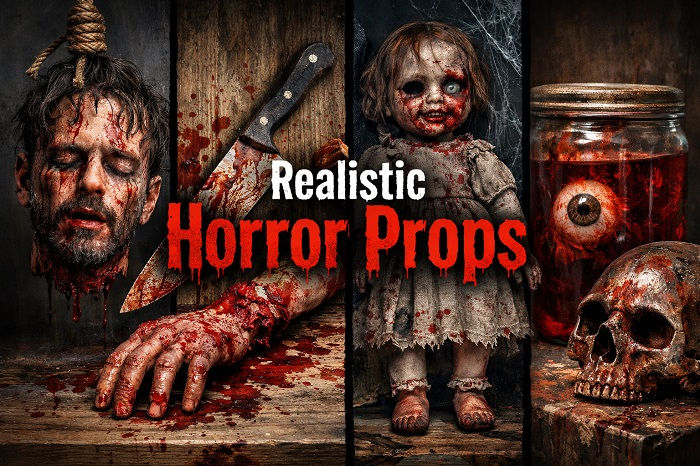
Summary
Placement is everything in horror design. Realistic horror props feel scarier depending on where they sit—hidden, high, or misplaced. It tricks the mind into imagining danger. Want to learn more about how positioning shapes fear? Continue reading the full breakdown above.
Picture this: you walk into a space. Nothing obvious is wrong. Lights are fine. The room looks normal. Maybe a little too normal, actually. And then you see it.
A realistic horror prop. Not even something huge. Could be a cracked mask sitting half-hidden on a shelf. Or maybe a fake hand tucked slightly under a couch cushion, like someone almost tried to hide it.
And suddenly… The room changes. Weird thing is, it’s not the prop itself that does the damage. It’s where it’s placed. That’s the real trick. That’s the whole game.
And yeah, if you’ve ever wondered (like, whispered it to yourself late at night), “how does the placement of realistic horror props affect fear perception?”… Well, that’s exactly the rabbit hole we’re falling into today.
Why Placement Changes Everything in Realistic Horror Props Design
The “Almost Visible” Spot (aka where your brain starts panicking)
There’s this sweet spot in horror design. Not hidden. Not obvious. Just… almost there. Like:
A shadow behind a curtain that doesn’t quite move right
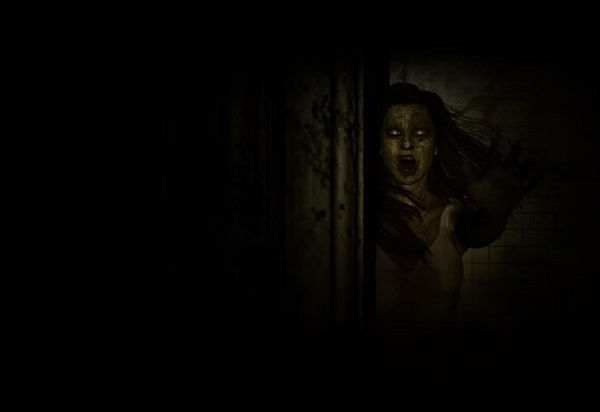
A prop face peeking from behind a door frames
Something on a high shelf that you swear wasn’t there before
Or those animatronics that feel like they should be off… but you’re not fully sure
Your brain hates this zone. It fills in gaps. Always. Even scary animal props don’t need to move. They just need to exist slightly wrong in the room.
And honestly? That’s where realistic horror props do their worst work. Not when they scream at you. But when they whisper, “You saw me… didn’t you?” Have you ever double-take a room? Yeah. That’s it.
Ground Level Fear: When Things Are Too Close for Comfort
Okay, this one is different. Anything placed at eye level or below… feels personal. Like it’s in your space. Think:
A prop hand near your foot when you sit down
Something under a table you didn’t check
A face-level object that stares just a little too long
Or those scary gore props placed way too casually, as they belong there
It’s almost rude, honestly. And your body reacts before your brain catches up. Little tension spike. That tiny “nope” feeling in your stomach.
Funny how placement does that. Just… location. Nothing else.

The “Safe Space” Trick (spoiler: it’s not safe anymore)
Here’s where it gets clever. Or mean. Depends on your perspective.
You place horror props in places people think are safe:
Closets
Behind doors
Under beds
Hallways that feel too familiar
Even those so-called realistic haunted house decorations that look harmless until the lighting shifts
And suddenly, safety becomes suspicious.
You know that moment when you open a closet and hesitate for half a second? Yeah… that’s learned behavior now.
Even setups purchased through an online platform—such as virtual tours, haunted experiences, and interactive horror spaces—use the same trick. They place fear where your brain expects comfort.

High Placement, High Anxiety (Looking Up Was A Mistake)
Now flip it. Look up. Rafters, ceilings, and top corners of rooms. This is where horror gets… patient.
A prop doesn’t need to move. It just needs to exist where you’re not expecting anything to exist.
Like:
The face of a clown horror prop is tucked into the ceiling beams
Something hanging slightly too still
A silhouette that doesn’t belong up there
Or even forgotten animatronics mounted high, just watching time pass
And you’re standing there like, “Okay… why did I look up?” Exactly.

The “Out of Place but Not Removed” Effect
This one is subtle. Creepy subtle. You don’t hide the prop. You don’t showcase it either. You just… misplace it slightly.
Examples:
A shoe in a hallway that shouldn’t be there
A doll turned the wrong way on a chair
A scary animal facing the wall as it turned away on purpose
Or a messy corner filled with random scary gore props that feel like a scene mid-story. And your brain goes:
“Wait… that’s not right.” And once that starts, it doesn’t stop.
Why Placement Feels Like Psychological Warfare
Let’s be real for a second.
Realistic horror props aren’t scary because they’re detailed. They’re scary because they’re positioned like something that used to be alive a moment ago.
Placement changes everything—too low feels vulnerable, too high feels like it’s watching you, hidden suggests an unknown threat, and misplaced makes it feel like something has already happened. And your imagination? Oh, it fills the gaps aggressively.
Small Thought You Might Not Like
Have you ever noticed how your eyes scan rooms differently after seeing setups like this? Like you suddenly care about corners. Shadows. Half-open doors. That’s not random. That’s your brain remembering placement patterns. Learning fear geography. Weird phrase, I know… but it fits.
It’s not just the prop and just the design. It’s where it sits. How it leans. What it hides behind. What it pretends not to be. Hope you find this blog useful, to learn more about such ideas and scary props. Contact us today.
After spending more time with fnf game, I found it easier to notice tempo changes and respond to different musical patterns.
I found the article helpful because it gives readers enough information without making the discussion complicated. During some further browsing, I came across joya 999. Exploring related resources can be a good way to understand different forms of interactive online content and discover useful information.
I like how the article focuses on the small details that make horror feel real. If that kind of creepy atmosphere is your thing, give horror games a try and see how long you can keep your nerve
Placement is everything when it comes to creating a convincing horror experience. A prop that might seem ordinary on its own can become deeply unsettling when positioned just slightly off. It is not about what the object is, but where it sits and what it implies. A mask half-hidden on a shelf or a hand tucked under a cushion changes the entire feel of a room. The brain starts filling in gaps, creating stories that were never there. That is the real trick, making the familiar feel wrong. The same attention to detail applies to gaming, where having a smooth and reliable method for a zzz top up can make the whole experience feel seamless and well-crafted. It is a reminder…
Dances are performed by all entities within the fnf universe in harmony with the music. As the challenge increases and the rhythm changes, participants are maintained in a state of intense concentration. A game that is worth playing at least once is FNF, due to its charm.